- pink heaven water park, Ram kutiya, Near, Kalwar Rd, Manchwa, Rajasthan 303706
- rahulsharma6070jaipur@gmail.com
- Mon - Fri : 9:00am to 7:00pm


Service Details
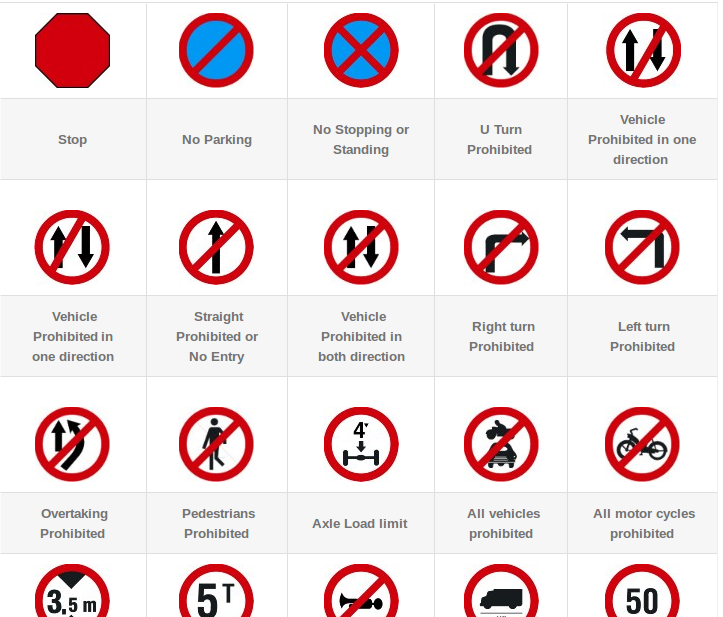
Rules of Driving
Welcome to Precision Driving School’s guide on the essential rules of driving. Understanding and adhering to these rules is crucial for your safety and the safety of others on the road. This comprehensive guide covers the fundamental rules every driver should know.
Basic Driving Rules
1. Obey Traffic Signals and Signs:
Traffic Lights: Always follow the traffic light signals. Stop at red, proceed at green, and prepare to stop at yellow.
Stop Signs: Come to a complete stop, check for traffic and pedestrians, and proceed when it’s safe.
Yield Signs: Slow down, check for oncoming traffic and pedestrians, and yield the right of way before proceeding.
2. Speed Limits:
Adhere to Posted Limits: Always drive within the posted speed limits. Adjust your speed according to road conditions, weather, and traffic flow.
School Zones and Residential Areas: Reduce speed in school zones and residential areas where children and pedestrians are likely to be present.
3. Right of Way:
At Intersections: Yield the right of way to vehicles already in the intersection and to those on your right if you arrive simultaneously.
Pedestrians: Always yield to pedestrians at crosswalks and intersections.
Emergency Vehicles: Pull over to the side of the road and stop for emergency vehicles with flashing lights and sirens.
4. Lane Usage:
Stay in Your Lane: Keep your vehicle within the lane markings and avoid unnecessary lane changes.
Passing: Only pass other vehicles where it is legal and safe to do so. Use your indicators and ensure you have enough space to pass without endangering others.
Left Lane Use: On multi-lane roads, use the left lane for passing slower traffic. Move back to the right lane after passing.
5. Signaling:
Use Indicators: Always use your turn signals to indicate your intentions to turn or change lanes well in advance.
Hand Signals: In case of signal light failure, use hand signals to communicate your intentions to other drivers.
6. Following Distance:
Maintain a Safe Distance: Keep a safe distance between your vehicle and the one ahead to allow sufficient reaction time. Use the "three-second rule" as a guideline.
Increase Distance in Adverse Conditions: Increase your following distance in poor weather, heavy traffic, and low visibility conditions.
7. Parking:
Legal Parking: Always park in designated areas and follow local parking regulations.
Parallel Parking: Ensure your vehicle is aligned properly within the parking space and does not obstruct traffic.
No Parking Zones: Do not park in areas marked with "No Parking" signs, in front of fire hydrants, or in bus lanes.
8. Use of Headlights:
Night Driving: Use your headlights from dusk till dawn and in any low visibility conditions.
High Beams: Use high beams on open roads without traffic. Dim your high beams when approaching or following another vehicle to avoid blinding other drivers.
9. Seat Belts:
Mandatory Use: Always wear your seat belt and ensure all passengers do the same. Seat belts significantly reduce the risk of injury in accidents.
10. Avoid Distractions:
Focus on Driving: Avoid using mobile phones, eating, or engaging in any activity that takes your attention away from driving.
Hands-Free Devices: If you must use a phone, use hands-free devices and keep conversations brief.
11. Alcohol and Drugs:
Do Not Drive Under Influence: Never drive under the influence of alcohol, drugs, or any substances that impair your ability to drive safely.
12. Vehicle Maintenance:
Regular Checks: Ensure your vehicle is in good working condition with regular maintenance checks on brakes, tires, lights, and engine.
Emergency Kit: Keep an emergency kit in your car, including items like a first aid kit, flashlight, and basic tools.
Defensive Driving
1. Stay Alert:
Be aware of your surroundings and anticipate potential hazards. Always have an escape plan in case of sudden changes in traffic conditions.
2. Avoid Aggressive Driving:
Keep your temper in check and avoid engaging in aggressive behaviors such as tailgating, weaving through traffic, or road rage.
3. Communicate:
Use your horn, lights, and indicators to communicate with other drivers and pedestrians effectively.
4. Adapt to Conditions:
Adjust your driving to suit road conditions, weather, and traffic. Slow down in rain, fog, snow, or icy conditions.
By following these essential rules of driving, you’ll not only ensure your safety but also contribute to a safer driving environment for everyone. At Precision Driving School, we emphasize these principles throughout our driving courses. Contact us today to learn more and start your journey to becoming a responsible and skilled driver.
Driving School Advantages
Nunc quam arc pretium quis quam sed laoret efficy tur liquam volutpat lobortis sem consets.
- 60 Mins Driving Lesson
- Additional Time Available
- 2 Hour Highway Lesson
- Car Rental For Road Test
- Road Test Appointment
- 7 Hour Pre-Licensing Course